Feeling Sound - Igor Ezendam 1
  • OM PAGE
  • CALENDAR
  • HARMONICS
  • MUSIC+
  • ABOUT
  • SESSIONS
  • PRESS
  • CONTACT

What are Harmonics?


Overtone singing, also known as vocal harmonics or throat singing, is a technique that allows you to produce multiple pitches simultaneously. It is a fascinating vocal technique found in various cultures around the world.

A magical transformation occurs, as the human voice ventures into the realm of overtone singing, unleashing a cascade of harmonic frequencies that resonate deep within the listener's being. Learning overtone singing takes practice and patience, but with dedication, you can develop this skill.

Picture
Drawing by Igor
"Harmonics, or overtones, are a sound phenomenon that occurs whenever sound is created. All sounds that are produced are not single tones, but mixtures of pure tone frequencies or harmonics.

Every fundamental tone also has overtones which make up the spectrum of sound. 
These harmonics are geometric multiples of the fundamental, meaning that if the fundamental frequency is 100 cycles per second, and the next overtone vibrates twice as fast, at 200 cycles per second, and the next overtone vibrates 3 times as fast, at 300 cycles per second and so on.

Harmonics are responsible for the tone color or the timbre of different instruments and our voices. Just as you can hold a prism to white light and refract the different colors of the rainbow, it is possible to learn how to use your voice to break up these harmonics into specific sound frequencies."

From: 'The Power of Harmonics & Chanting'
An Interview with Jonathan Goldman by Sita Murti, www.healingsounds.com


Harmonics DIY Step By Step


Here are some step by step fundamentals that you will meet along your learning curve, a discovery road to singing vocal harmonics:

   1.    Listen to overtone singing
: Begin by familiarizing yourself with the sound of overtone singing. Listen to recordings of skilled overtone singers from different traditions to get a sense of the various styles and techniques used.

    2.    Understand the fundamentals: Overtone singing involves manipulating the vocal tract to amplify certain harmonics while singing a fundamental pitch. The basic principle is to create a strong, resonant sound in your throat while manipulating your tongue, lips, and mouth to emphasize specific overtones.

    3.    Master diaphragmatic breathing: Overtone singing requires good breath control. Practice deep diaphragmatic breathing to ensure you have enough air support for producing sustained tones.

    4.    Isolate the fundamental pitch: Choose a comfortable pitch to start with, typically in the low to mid-range of your vocal range. Sing this pitch while focusing on producing a clear and steady tone.

    5.    Experiment with mouth and tongue positions: Experiment with different mouth and tongue positions to modify the resonances in your vocal tract. Start by relaxing your throat and jaw. Then, slowly move your tongue and lips while maintaining the fundamental pitch. Try positioning your tongue against the roof of your mouth or moving it forward or backward to create different resonances.

    6.    Focus on the harmonics: As you experiment with mouth and tongue positions, listen for the harmonics that naturally occur above the fundamental pitch. These harmonics will sound like a series of higher-pitched tones. Try to isolate and emphasize specific harmonics by subtly adjusting your vocal tract.

    7.    Practice vowel modifications: Different vowel sounds can affect the resonances in your vocal tract, which, in turn, can influence the clarity and strength of the overtones. Experiment with vowel modifications, such as "ee," "oo," or "ah," to see how they impact the overtone production.

    8.    Control and sustain the overtones: Once you can produce and emphasize specific overtones, work on controlling and sustaining them. Practice maintaining a steady fundamental pitch while manipulating the overtones to create different melodies or harmonic patterns.

    9.    Seek guidance and resources: Overtone singing can be challenging to learn on your own. Consider finding a teacher or joining a vocal group that specializes in overtone singing. They can provide personalized guidance, feedback, and exercises tailored to your needs. Additionally, there are numerous online resources, tutorials, and workshops available that can further assist you in your learning journey.

Remember, learning overtone singing requires time and dedication. Regular practice and experimentation with different techniques will help you develop this unique skill. Enjoy the process, be patient with yourself, and embrace the beautiful world of overtone singing!

Healing Harmonics


Healing with vocal harmonics, also known as sound healing or vibrational therapy, is a practice that utilizes the power of sound and specific vocal techniques to promote physical, emotional, and spiritual well-being. While it is important to note that sound healing should not be seen as a substitute for professional medical treatment, many people find it a complementary and supportive practice. Here are some ways to explore healing with vocal harmonics:
Picture
 1.    Relaxation and Stress Reduction: Vocal harmonics can induce a state of relaxation, helping to reduce stress and promote a sense of calm. Experiment with producing soothing vocal sounds, such as long sustained tones or gentle humming, to create a peaceful environment for yourself or others.

    2.    Chanting and Mantras: Chanting specific sounds or mantras can have a profound effect on the mind and body. Explore different mantras or sacred syllables from various traditions and cultures. Chanting these sounds can help focus the mind, release tension, and promote a sense of connection and well-being.

    3.    Resonance and Vibrational Healing: Vocal harmonics create vibrations in the body, which can be used for healing purposes. Experiment with producing vocal sounds and tones that resonate with different parts of your body. Explore the sensation of these vibrations and observe any shifts or sensations that arise.

    4.    Intentional Sound and Visualization: Combine vocal harmonics with visualization techniques to enhance the healing process. As you produce vocal sounds, visualize the energy or healing intention flowing through your body or directed towards a specific area that needs healing. This integration of sound and visualization can amplify the healing effects.

    5.    Group Singing and Harmonizing: Engage in group singing or harmonizing activities to create a sense of unity and connection. When individuals come together and synchronize their voices, it can create a harmonious and uplifting experience. This collective energy and resonance can have a positive impact on the participants' well-being.

    6.    Seek Professional Guidance: Consider working with a trained sound healer, vocal coach, or therapist experienced in sound healing. They can guide you in exploring specific techniques, offer personalized recommendations, and create a safe and supportive environment for your healing journey.

    7.    Listen to Healing Sounds: Explore recorded music or soundscapes specifically designed for healing and relaxation. Many artists and composers create music that incorporates soothing vocal harmonics, resonant tones, and therapeutic frequencies. These sounds can be used to create a calming atmosphere or as a tool for meditation and self-reflection.

Remember that personal experiences with healing practices can vary, and it is important to approach sound healing with an open mind and self-awareness. If you have any specific health concerns, it is recommended to consult with a healthcare professional before incorporating sound healing practices into your routine.
"There’s no doubt that the human voice is healing, and singing specifically. Think of how babies are lulled to sleep by humming, for example. But the benefits of singing go much deeper. Singing, in general, is so powerful for the brain that it can boost one’s memory and alertness by bringing more oxygen-rich blood to the brain. The Alzheimer’s Society even has a singing program to help people with dementia preserve their memory and improve their concentration, as The Chicago Tribune reports.

Singing low notes is especially healing. Low pitches relax the nervous system and if you can hold that sound it gives you what’s known as an internal massage that can relieve muscle tension in the body, as reported by The British Academy of Sound Therapy. When it comes to overtone singing, both a low and high pitch are sung simultaneously. Focusing on how to do this has an interesting benefit: it keeps you present in the moment, which in itself is meditative and calming. In addition, there’s a surprising benefit to being present: it can relieve pain.


There are extra benefits in trying overtone singing if you’re a musician.
It can actually benefit you in your career or hobby because it makes you more aware of vocal colors and can develop your vocal cord closure, as Anna-Marie Hefele tells Voice Council.
She goes on to say, “[You] are also able to expand your range and find higher notes because you train to have the physical power for it.”" 
- https://naturesoundretreat.com/overtone-singing/


Overtones around the World


My video 'Overtones at Meteora' is an example of 'western style' vocal harmonics
Overtone singing, also known as vocal harmonics or throat singing, is a captivating series of vocal techniques that produce overtones (harmonics) alongside the fundamental pitch. It is a remarkable skill that can be found in various cultures around the world and is often associated with world music.

By manipulating the vocal tract and using specific vocal techniques, singers are able to create multiple tones simultaneously, resulting in a polyphonic texture. The technique requires extensive vocal training and a deep understanding of harmonic structure.
Vocal harmonics and its extended vocal techniques allow performers to explore diverse singing styles and create unique compositions. Vocal improvisation is also a common feature, enabling artists to express their creativity and adapt to different musical contexts.

In addition to its artistic and cultural significance, overtone singing has gained attention in the field of music therapy. The therapeutic benefits of this vocal practice lie in its ability to promote relaxation, emotional release, and overall well-being.

It is a powerful tool for self-expression and connecting with inner emotions. The rich and mesmerizing sounds produced through overtone singing have the potential to transport listeners to a state of tranquility and peace of mind, making it a compelling art form that continues to inspire and captivate audiences worldwide.

Where in the world?


Overtone singing, also known as vocal harmonics or throat singing, can be found in various countries and regions around the world. Here are some notable places where overtone singing traditions are present:
Mongolia: Mongolian throat singing, known as "khöömei," is perhaps the most renowned form of overtone singing. It has been practiced for centuries and holds significant cultural importance in Mongolia.
Tuva (Russia): Tuvan throat singing, or "khoomei," originates from the Republic of Tuva in southern Siberia, Russia. It is deeply rooted in the Tuvan culture and is recognized as a traditional art form.
  1. Tibet: Tibetan monks have long practiced overtone singing as part of their religious and spiritual rituals. It is often associated with Tibetan Buddhist chanting and is considered a sacred practice.
  2. Altai Republic (Russia): The Altai Republic, located in southern Siberia, is home to a distinct style of overtone singing known as "kargyraa." It is characterized by low-pitched vocalizations and is an integral part of Altai cultural heritage.
  3. Inner Mongolia (China): Inner Mongolia, an autonomous region in northern China, is known for its unique form of throat singing called "hoomii." It shares similarities with Mongolian khöömei and reflects the region's Mongolian cultural influence.
  4. Kazakhstan: In Kazakhstan, overtone singing is known as "kai" or "kui." It is particularly prevalent among the Kazakh nomadic herders and is considered a symbol of their cultural identity.
  5. Siberia (Russia): Overtone singing can also be found in various Siberian indigenous communities, including the Khakas, Buryats, and Yakuts, among others. Each group has its own distinct style and approach to overtone singing.

While these regions have notable overtone singing traditions, it's worth mentioning that similar vocal techniques and practices can be found in other parts of the world as well, albeit with different names and cultural contexts, such as in the Xhosa culture of South Africa and the Inuit culture of Canada.

Check out Wolfgang Saus' World Map of Overtones:

https://www.oberton.org/en/overtone-singing/styles/
Listen to a playlist curated by Ken Ueno that explores the diverse history
and sonic possibilities of the human voice:
www.berklee.edu/berklee-now/news/what-is-multiphonic-singing
Meet other overtone singers at
The Overtone Music Network
www.overtone.cc/profile/IgorOlivierEzendam


Overtones with I Tenores di Bitti


On the island of Sardinia (Italy), especially in the subregion of Barbagia, one style of polyphonic singing is marked by the use of throat singing. This kind of choir is called "singing a tenore".

I had the pleasure to sing with the Tenores di Bitti on the Piazza San Pantaleo in Sardinia, on September 20, 2013. What followed was a beautiful musical contamination between vocal harmonic singing and Sardinian voices. Many thanks to the Tenores di Bitti for cocreating this special evening.

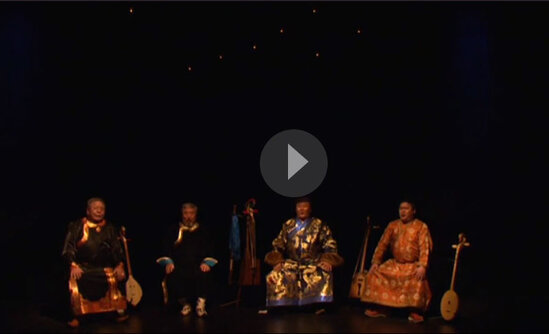
Khöomii Throatsinging


Picture
LISTEN TO THE MASTERS OF TRADITIONAL OVERTONE SINGING
"Most Mongolian artists perform a style of Urtyn duu (long song), the themes of which range from the religious, philosophical, ceremonial and didactic to expressions of love for family, nature, birthplace and animals.

On the other hand, overtone singing produces the extension and the echo of nature and of animals. Locally, the singing is known as khoomei or khöömii, a term derived from the Mongol language and meaning «throat». It comprises a drone and harmonics. Throat singing is connected to an ancient animist tradition, according to which objects and natural phenomena have a soul and are inhabited by spirits."

From: Gombodorj Byambajargal & overtone singing – Mongolia, Khöomii and nomadic songs from the steppes

Life changing Sound


Photo
Igor: "Listening to the radio one night in the late 80’s and hearing a vocal group on the radio. It was 'David Hykes and his Harmonic Choir', playing at the Amsterdam Melkweg. It was their first album, “Hearing Solar Winds.”

They sounded like an airplane taking off, when suddenly one guy leapt out, into the stratosphere, with no parachute, flying higher and higher with his voice. It was a mind-blowing first encounter with overtone singing.

I can remember grabbing an audio-cassette of classical music that belonged to my mother and pressing REC. Not caring about any repercussions, just wanting to capture this amazing sound (my mother forgave me later). I would listen to this tape for many years to come. This introduction to harmonics started me practising and practising, working on my own vocal voyage.

Thirty years later, having delved into harmonics for my own healing and evolution of self expression, I am still hooked to this style of singing, as it keeps on teaching me about myself, and helps me connect to other people in ways I never thought possible!

- Igor Ezendam

Seeing Is Believing


You'll find a audio-visual representation of a fundamental sound and its overtones at the link below. Each complete spiral revolution represents an octave. Seeing is believing!
www.suonoterapia.org/overtones/
Also do check out the EMR 3D images of overtone singing in this Youtube video ( at 02:05)  presenting the DVD 'THE VOICE'.

15 years of overtones: HARMONICS


Get prepared, you’re in for an hour and 20 minutes of polifonic all bodies massage, a high frequency flight with Igor: thank you for flying with Air Feeling Sound!

"It makes me happy to share this collection of 15 years of concerts and studio recordings, for your listening pleasure. It's a great trip with headphones on, or just played in the background, to help let the light in!"
-Igor

These clear harmonics help create a light atmosphere around you. Let the overtones do their work, they know where to go in your system. the album also functions as a series of short meditations, as deeper listening exercises, just breathing with the sounds, or if you are one of Igor’s students, sing with this material!
Check out this and other overtone albums in the BAZAR
Picture
© Copyright 2013-2025 Igor Ezendam & Arianna Artioli
All materials including images are protected by international copyright law and may not be copied or reproduced
without written consent. Please contact www.feelingsound.com for information regarding Terms of Use.

  • OM PAGE
  • CALENDAR
  • HARMONICS
  • MUSIC+
  • ABOUT
  • SESSIONS
  • PRESS
  • CONTACT